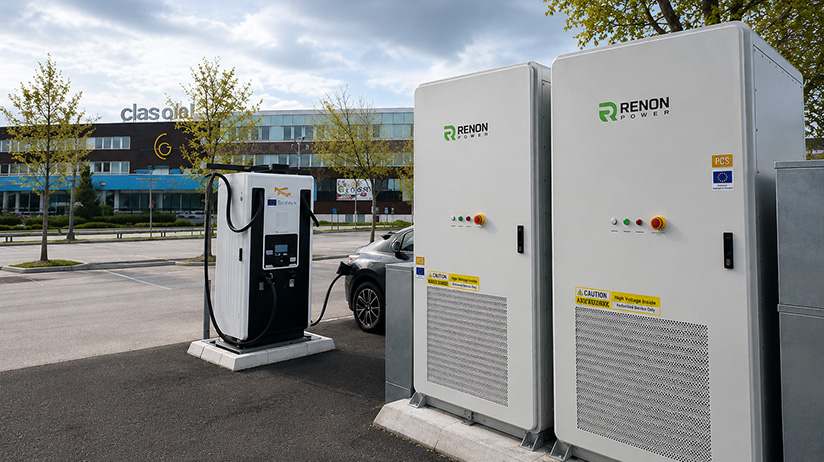
𝐅𝐫𝐨𝐦 𝐚 𝐂𝐮𝐬𝐭𝐨𝐦 𝐒𝐰𝐞𝐝𝐞𝐧 𝐁𝐄𝐒𝐒 𝐏𝐫𝐨𝐣𝐞𝐜𝐭 𝐭𝐨 𝐚 𝐒𝐭𝐚𝐧𝐝𝐚𝐫𝐝𝐢𝐳𝐞𝐝 𝐅𝐚𝐬𝐭 𝐂𝐡𝐚𝐫𝐠𝐢𝐧𝐠 𝐏𝐥𝐚𝐭𝐟𝐨𝐫𝐦. ⚡
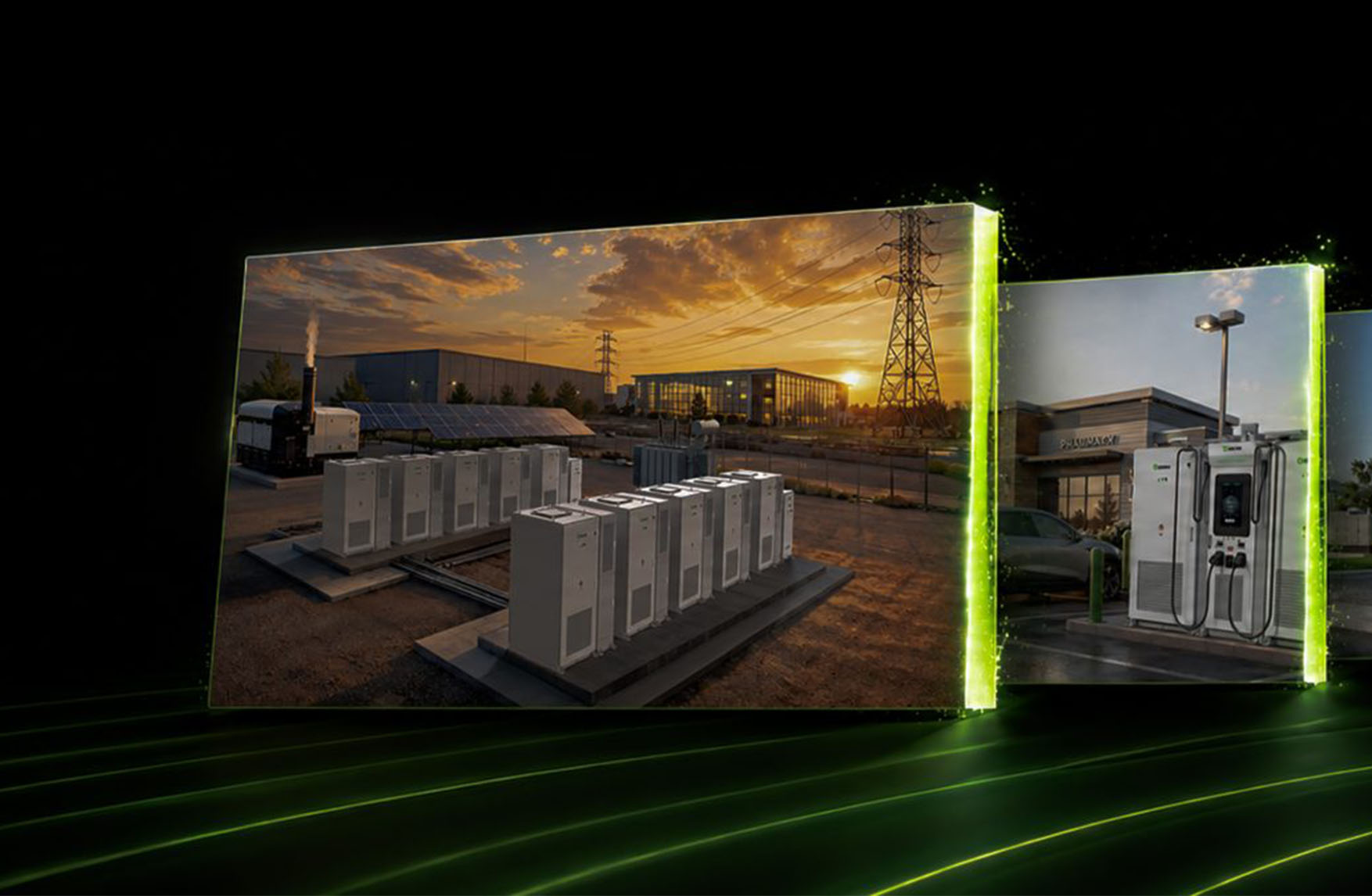
In one #Sweden EV charging project, Renon used 2 × 233kWh liquid cooled BESS units to support a 150kW DC truck charger and commercial building loads. The goal was clear: reduce peak load pressure, support dynamic tariff dispatch, and avoid letting one charging load drive the whole grid upgrade strategy.
That same logic is exactly why #EStand exists. 🔋
EStand brings storage and 𝐃𝐂 𝐟𝐚𝐬𝐭 𝐜𝐡𝐚𝐫𝐠𝐢𝐧𝐠 together in a more standardized format, with 2 × 261kWh battery cabinets, 522kWh integrated storage, 400kW dual gun DC fast charging, and EMS based power management.
For commercial parking lots, retail sites, fleet depots, and charging hubs, the question is no longer just “how many chargers do we need?”
It is “how do we manage the peak power behind those chargers?”
 English
 Español
 Français
 Deutsch
 日本語
 Русский язык
 Português
 بالعربية