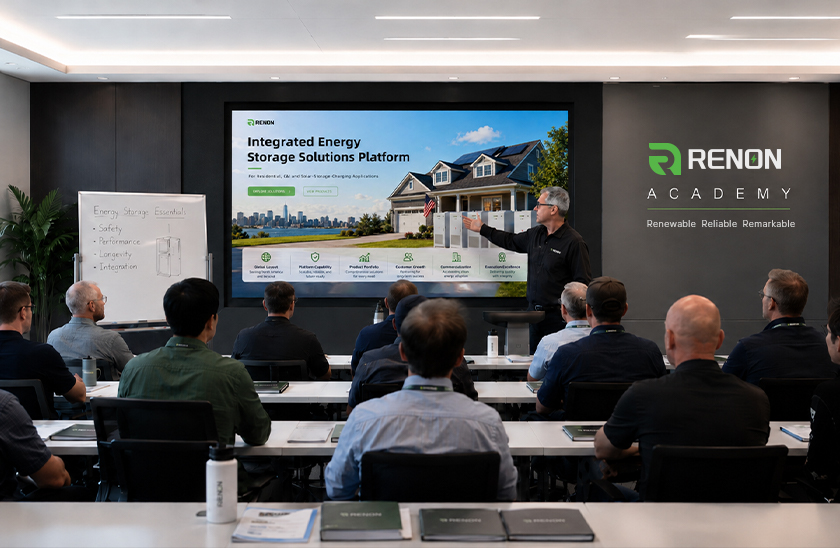
DEFINE PROJECT GOALS AND BUILD ALIGNMENT
Phase S1 | Requirement Stage
Renon helps you explore tailored energy storage avenues—from cost optimization and renewable integration to microgrids and resilience.

DEFINE PROJECT GOALS  AND BUILD ALIGNMENT

Business-Driven Energy Strategy
Aligning Energy Strategy with Business Needs
Whether the goal is reducing energy costs, improving power reliability, increasing renewable energy utilization, supporting EV charging infrastructure, or enabling more flexible energy management, this stage ensures that the project direction is aligned with your actual business needs.

S1 Requirements Alignment
Key Areas We Evaluate
We evaluate your primary goals, operational profile, existing power infrastructure, and project timeline to build a clear understanding of your energy needs and establish a practical foundation for solution planning.
Primary Goals
Define clear primary objectives around cost reduction, resilience, and sustainability targets.
Operational Profile
Evaluate daily load patterns, operating schedules, and critical power requirements.
Power Infrastructure
Analyze existing electrical setups, transformer capacity, and grid interconnection limits.
Timeline & Priorities
Establish realistic commissioning dates, procurement schedules, and project milestones.
Key Areas We Evaluate
A Comprehensive Evaluation Framework
We assess your energy objectives, operational requirements, and project conditions to define the right energy storage strategy for your site and business needs.
Energy Objectives
Energy Objectives
Understanding what specific value energy storage creates for your facility: Peak demand reduction & tariff shifting Time-of-use energy cost optimization Renewable energy self-consumption Backup power resilience capability Grid flexibility & ancillary services Long-term energy independence
Operational Requirements
Evaluating how the system needs to perform within your environment: Facility load profile & peak spikes Daily operating schedules & shift timing Critical power switching speed EV charging or heavy industrial demand Integration with existing EMS & SCADA
Project Conditions
Project Conditions
Identifying crucial external factors influencing design: Available site spatial footprint & pad area Grid connection status & voltage levels Existing electrical infrastructure limits Local permitting & safety regulations Implementation target timeline
Requirement Assessment & Strategy Guidance
Project Requirement Assessment

Energy usage pattern analysis Priority mapping & outcome definition Infrastructure headroom review

Application Strategy Guidance

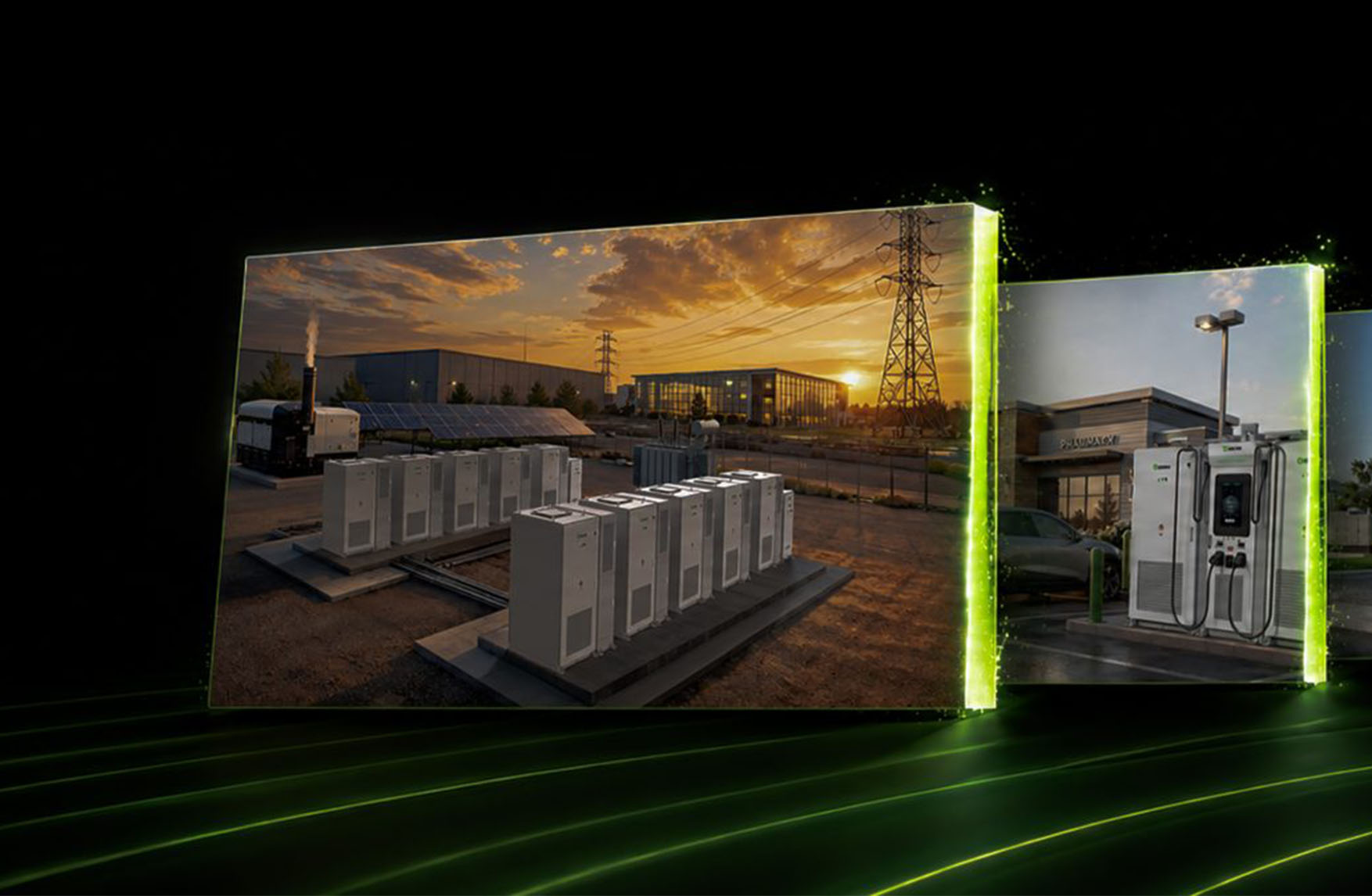
Commercial & industrial management Microgrids, solar, and EV support Grid services and backup power

Professional Technical Guidance

Important design trade-offs Identifying technical constraints Highlight data

Share