As residential energy storage adoption grows across North America, distributors play a critical role in connecting energy storage manufacturers with installers, contractors, retailers, and regional energy service providers.
For distributors, the opportunity is not simply to add another battery product to the catalog. The greater challenge is building a product portfolio that can generate sustainable channel revenue, maintain reliable supply, reduce after-sales risk, and respond to changing regional demand.
Residential customers increasingly expect reliable backup power, higher solar self-consumption, intelligent energy management, and a seamless digital experience. Installers, in turn, need products that are easy to design, install, commission, and support.
Our residential energy storage solution helps distributors address both sides of the market. We provide a complete offering that combines reliable products, scalable supply, technical support, sales enablement, warranty services, and long-term channel cooperation.
We work with residential energy storage distributors, solar equipment distributors, electrical product wholesalers, renewable energy solution providers, and regional energy technology suppliers.
These partners typically serve networks of residential solar installers, electrical contractors, homebuilders, energy service companies, and local retailers across one or multiple markets.
Some distributors are entering residential storage for the first time and need a complete product and support system. Others already offer storage products but are looking for a stronger brand, a more competitive product portfolio, better technical support, or a more stable supply partner.
They are commercially driven but highly sensitive to operational risk. Their success depends on maintaining competitive margins, controlling inventory, supporting downstream customers, and protecting their reputation in the local market.
Residential energy storage distribution decisions are usually made by several stakeholders.
Business owners and senior executives focus on market opportunity, supplier reliability, channel profitability, brand positioning, and long-term partnership potential.
Product and category managers evaluate product competitiveness, pricing structure, portfolio fit, certifications, compatibility, and future product roadmap.
Sales leaders focus on whether the product can be clearly positioned, easily explained, and successfully sold through installer and contractor networks.
Supply chain and operations teams evaluate lead times, forecast accuracy, inventory requirements, logistics, replacement processes, and service responsibilities.
Technical and after-sales teams focus on installation complexity, product training, troubleshooting, warranty procedures, spare parts, and escalation support.
The central question is straightforward: Can this product line create sustainable channel growth without introducing excessive inventory, technical, or service risk?
Distributors face several major challenges when entering or expanding in the residential energy storage market.
First, demand can vary significantly by region. Electricity rates, solar policies, extreme weather, utility programs, local incentives, and grid reliability all affect customer demand. Distributors need a product portfolio that can serve different residential applications without creating excessive complexity.
Second, inventory planning can be difficult. Storage products have relatively high unit values, and inaccurate forecasts may result in slow-moving stock, capital pressure, or product shortages during peak demand periods.
Third, product differentiation is becoming more challenging. Many systems appear similar when compared only by battery capacity or power rating. Distributors need clear product advantages that installers and homeowners can understand, including reliability, scalability, intelligent software, compatibility, and service support.
Fourth, after-sales risk can quickly affect channel profitability. Product failures, installation errors, unclear warranty responsibilities, delayed technical responses, and complex replacement procedures can increase operating costs and damage distributor relationships with local installers.
Fifth, many manufacturers provide equipment without sufficient market development support. Distributors may receive limited training, incomplete sales materials, weak local technical assistance, or inconsistent communication, making it difficult to build an active and confident dealer network.
Finally, unstable supply, inconsistent pricing, and channel conflict can undermine long-term market development. Distributors need confidence that the manufacturer will protect the channel structure and support sustainable regional growth.
Distributors may begin evaluating a new residential energy storage supplier when installer demand increases or when existing customers request a broader solar-plus-storage product portfolio.
The decision may also be triggered by frequent grid outages, rising electricity prices, changes in solar export compensation, increased EV adoption, or new residential energy incentives within a target market.
Some distributors seek new partnerships because an existing supplier cannot provide stable inventory, competitive pricing, sufficient local support, or a complete product roadmap.
Others may be entering a new state or regional market and require a storage platform that can support different home sizes, backup requirements, and installation configurations.
The decision usually accelerates when the distributor sees clear downstream demand, receives positive feedback from installers, understands the expected channel margin, and gains confidence in the manufacturer’s supply, warranty, technical, and marketing capabilities.
Product reliability is a primary consideration because distributors carry both commercial and reputational risk. A product with a high failure rate may create warranty costs, installer dissatisfaction, and long-term damage to the distributor’s market position.
Supply stability is equally important. Distributors need predictable lead times, transparent forecasting, flexible order planning, and sufficient production capacity to support seasonal and regional demand.
Channel profitability must be sustainable. This includes competitive purchase pricing, clear margin structures, pricing discipline, and protection against uncontrolled channel conflict.
Certifications and market readiness are also essential. Products must meet the technical, safety, and regulatory requirements of the intended markets, while documentation must support permitting, installation, and customer communication.
Distributors also evaluate the completeness of the product portfolio. A scalable system that supports different household capacities, backup requirements, solar configurations, and future expansion can simplify inventory and increase market coverage.
Technical support, installer training, warranty clarity, marketing materials, software experience, and product roadmap visibility all influence the final partnership decision.
We help distributors build a stronger and more scalable residential energy storage business.
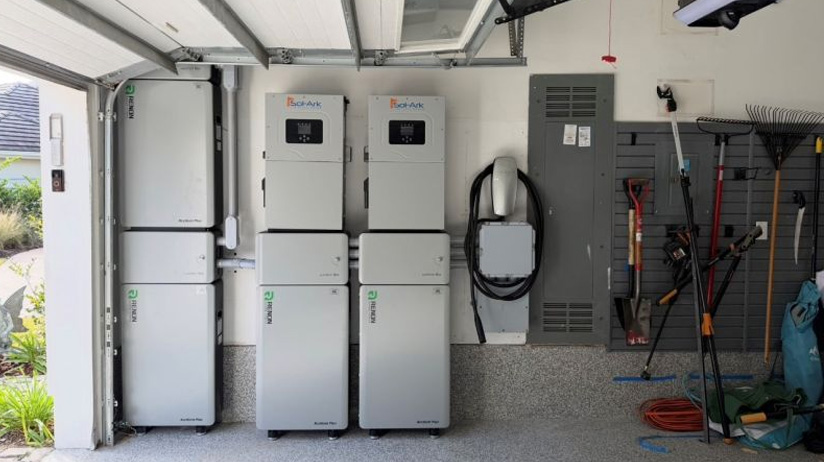
Our residential energy storage portfolio is designed to address a wide range of household applications, from solar self-consumption and peak-rate management to backup power and intelligent home energy control.
We support distributors with reliable product supply, clear product positioning, structured commercial cooperation, and portfolio planning based on regional market needs.
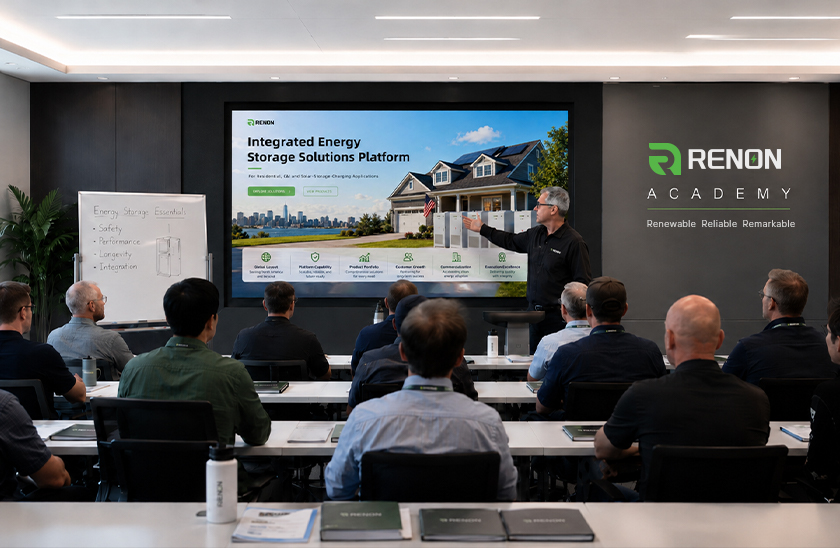
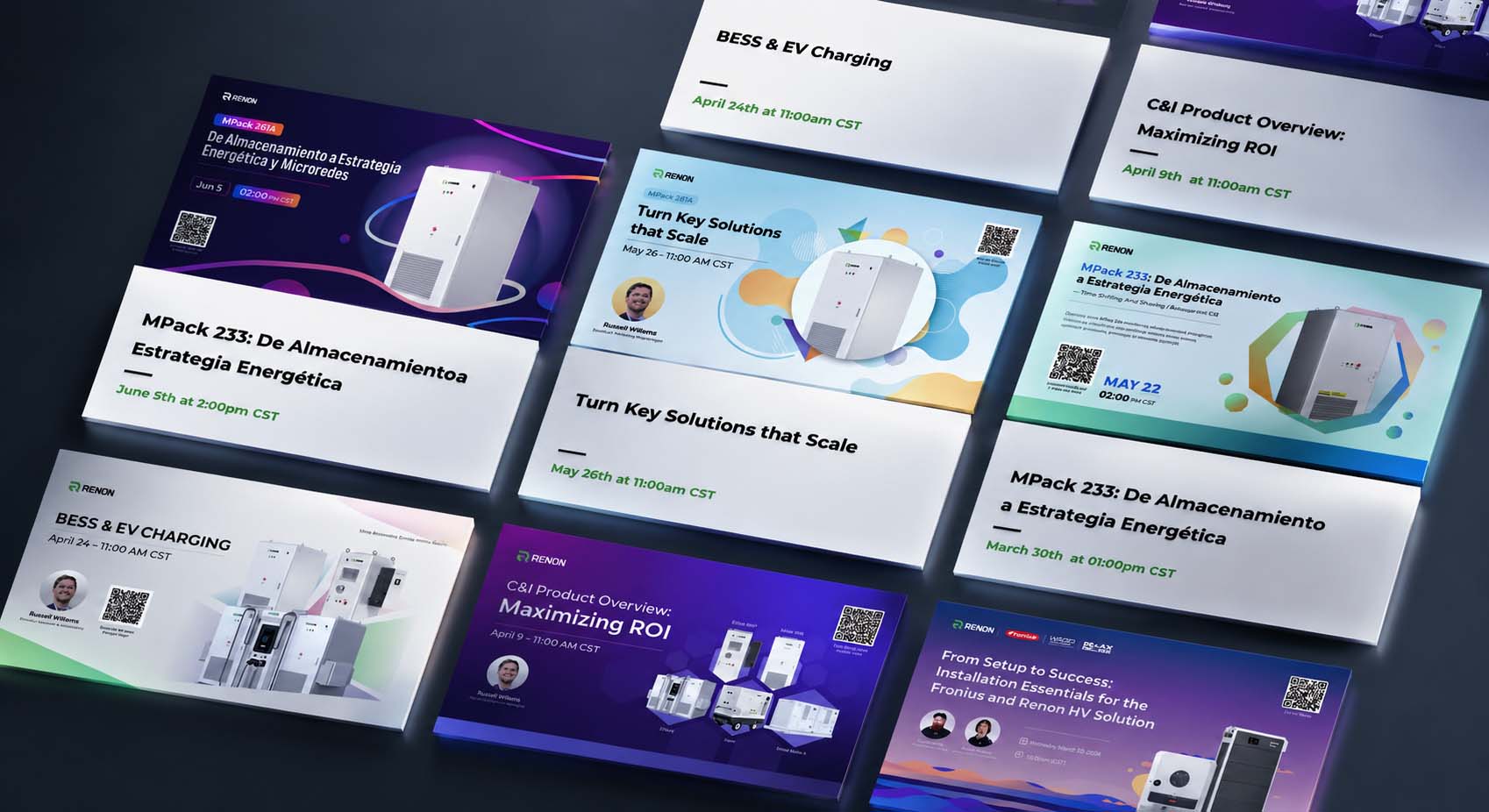
Our technical support helps downstream installers understand system design, product selection, installation, commissioning, and troubleshooting. Training resources, technical documentation, sales tools, and marketing materials help distributors develop a more capable and confident installer network.
We also provide structured warranty and after-sales support to clarify responsibilities, simplify issue resolution, and reduce the operational burden on distribution partners.
Through coordinated forecasting, inventory planning, product roadmap communication, and market development support, we help distributors improve stock efficiency, expand regional coverage, and create long-term channel value.
The result is more than a supplier relationship. It is a channel partnership designed to help distributors compete effectively, serve installers with confidence, and grow with the North American residential energy storage market.
 English
 Español
 Français
 Deutsch
 日本語
 Русский язык
 Português
 بالعربية